
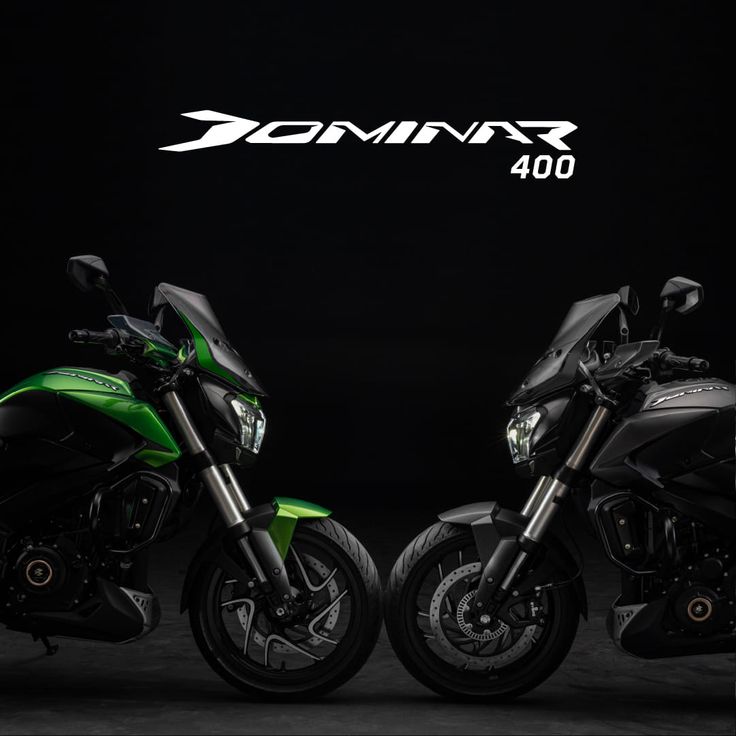
First impressions & ride summary
Short take: The 2025 Dominar 400 keeps the winning formula intact — a tractable single-cylinder engine with usable mid-range, comfortable ergonomics for long rides and a practical electronics package. Refinements to fit-and-finish and switchgear make it feel more mature this year. Our extended test included urban commutes, canyon carving and a two-day highway tour to stress comfort and economy.
Design & ergonomics
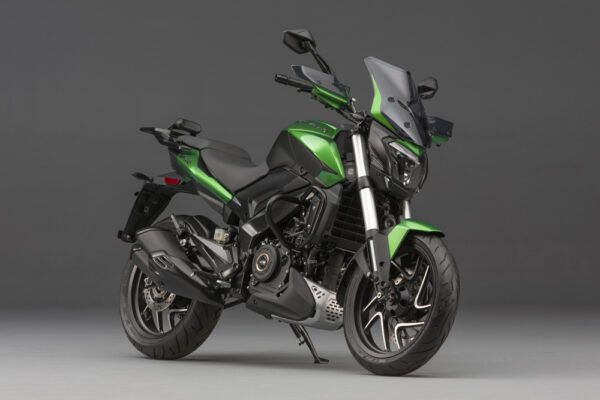
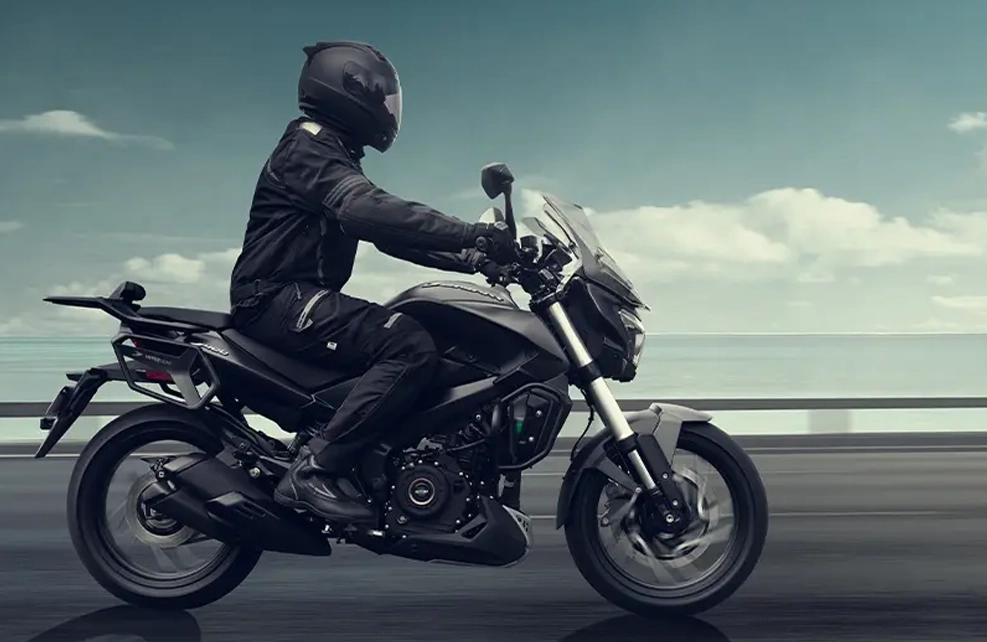
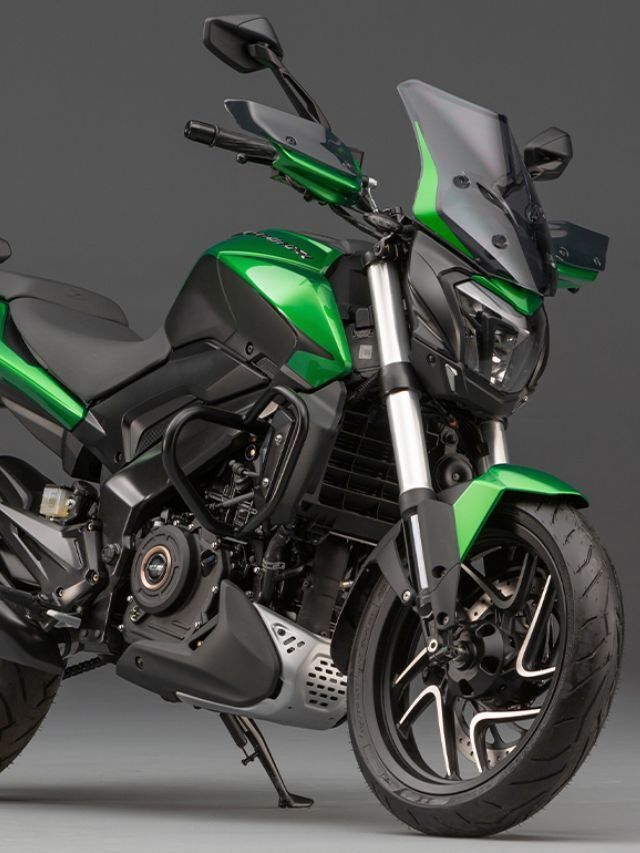
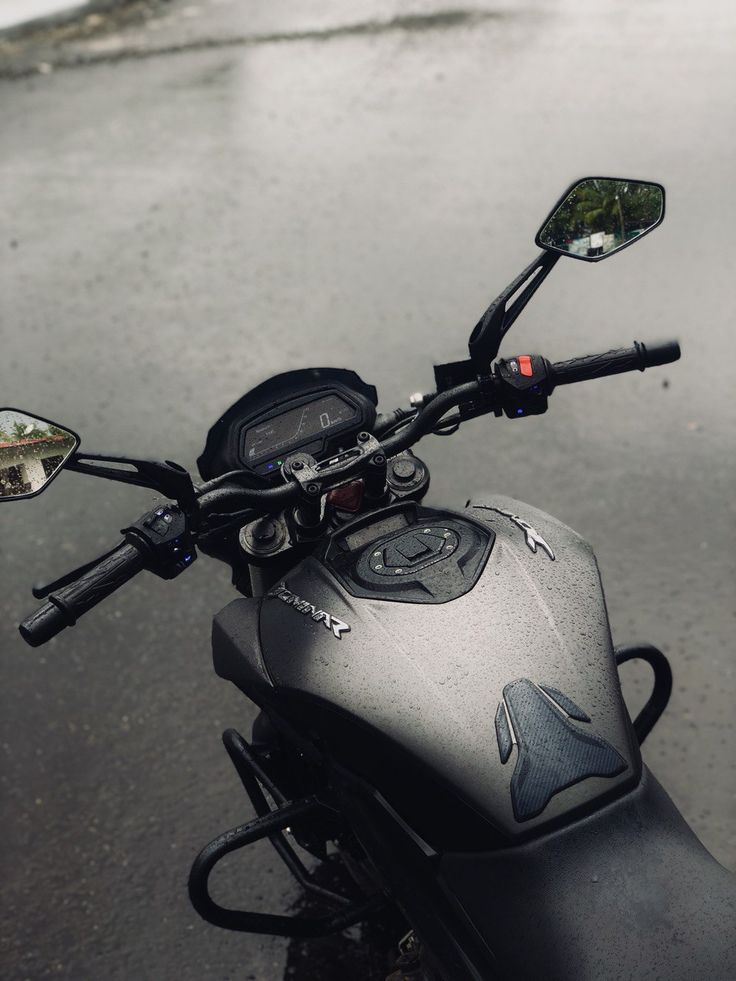
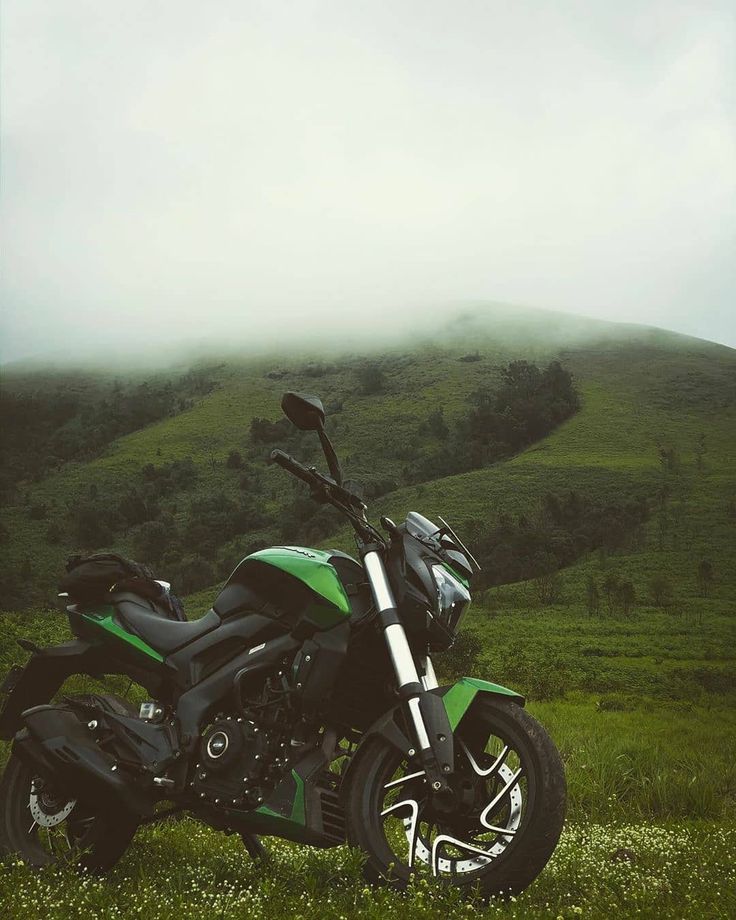
Visually the Dominar retains a purposeful, aggressive silhouette with a large sculpted fuel tank, muscular side panels and a compact tail. The ergonomics are a deliberate compromise: a slightly forward-leaning rider triangle for control, but with a seat and pedal position that keep long-distance comfort in mind. The 2025 model tightens panel gaps, improves paint quality on high-contact areas and replaces some plastics with better-feeling surfaces. Switchgear has been uprated — the buttons are firmer and more tactile, reducing accidental presses while riding.
Touchpoints like the seat cushioning and handlebar grips are tuned for multi-day rides; the pillion benefits from a flatter surface and better grab handles. Small practical additions such as a subtly repositioned USB port and a deeper glovebox make day-to-day ownership easier. The ergonomics make the Dominar surprisingly nimble in traffic while staying stable on the highway.
Engine & performance
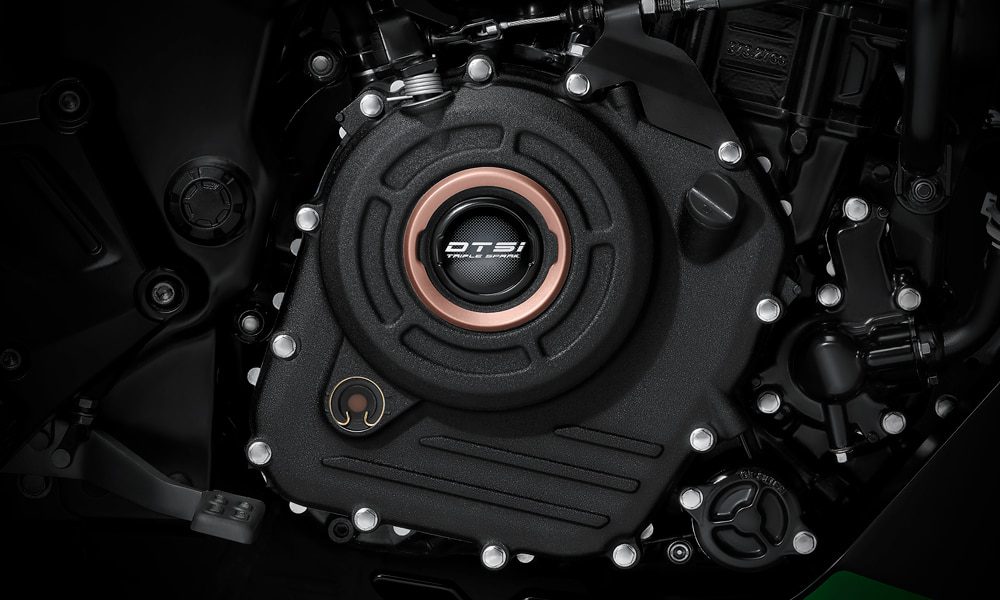
The single-cylinder, liquid-cooled engine remains the core strength. With revised intake tuning for 2025 the throttle map feels smoother at low rpm while the midrange torque sees a noticeable uptick. In real-world riding this translates to confident overtakes even when carrying luggage or a pillion. We logged quicker roll-on acceleration from 60–100 km/h and found throttle transitions to be more linear, thanks to small ECU tweaks.
At highway speeds the engine cruises comfortably with modest vibration levels (reduced thanks to revised mounting points). Heat management has been improved via a small ducting change, making stop-and-go traffic more tolerable on hot days. On the dyno the peak figures still sit in the same ballpark as the previous model, but the accessible powerband and usable torque are what make the Dominar a strong everyday performer.
Handling & chassis
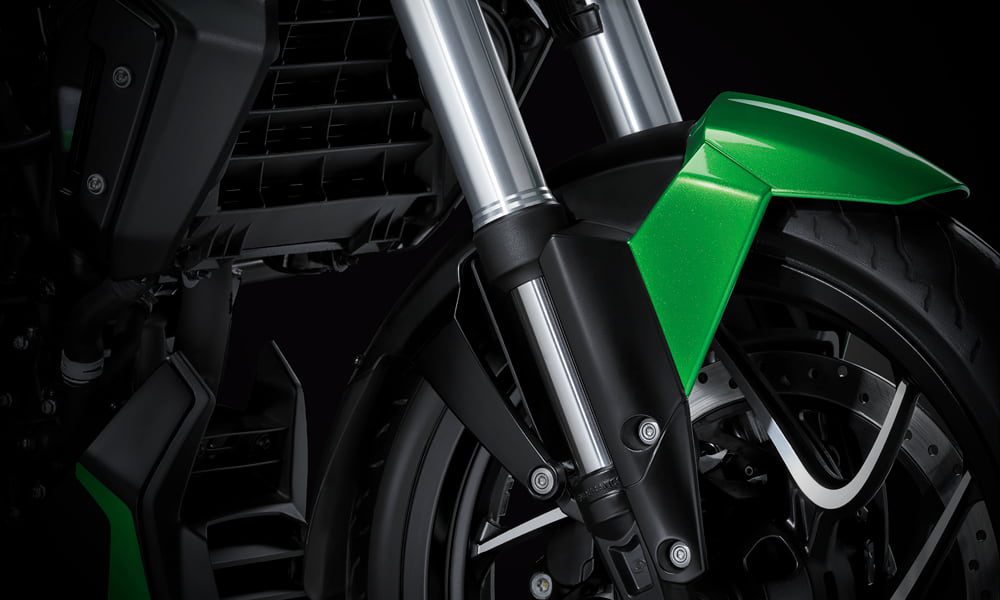
Chassis geometry remains well-balanced for a bike of this class. The combination of a relatively long wheelbase and a well-damped rear monoshock results in a planted feeling at speed — the bike resists mid-corner drama and tracks straight when asked. On twisty roads the Dominar rewards smooth, deliberate inputs and holds a line predictably. Enthusiastic riders will note a slight tendency to understeer when aggressively flicking it back and forth, which is acceptable given the touring focus.
We tested both on smooth tarmac and broken roads; the suspension soaks up potholes and mid-sized bumps elegantly, but heavy load or aggressive cornering reveals the need for firmer damping settings if you plan to ride very aggressively. The 2025 model has slightly revised fork springs and a revalved shock that offer a better balance between comfort and control compared to last year’s setup.
Comfort & touring
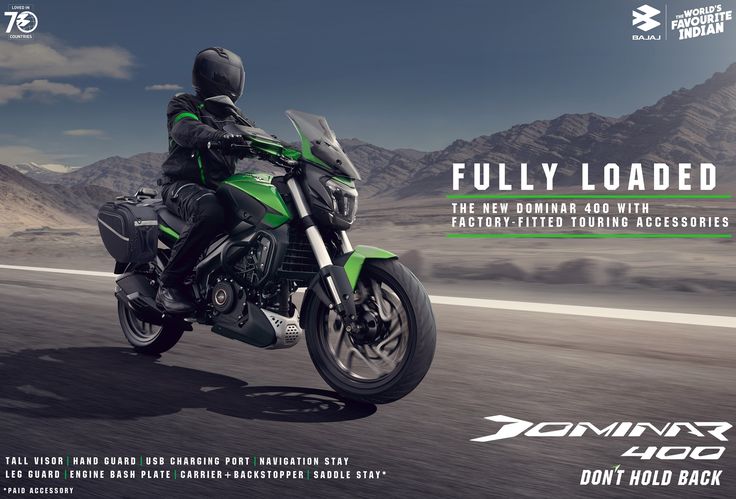
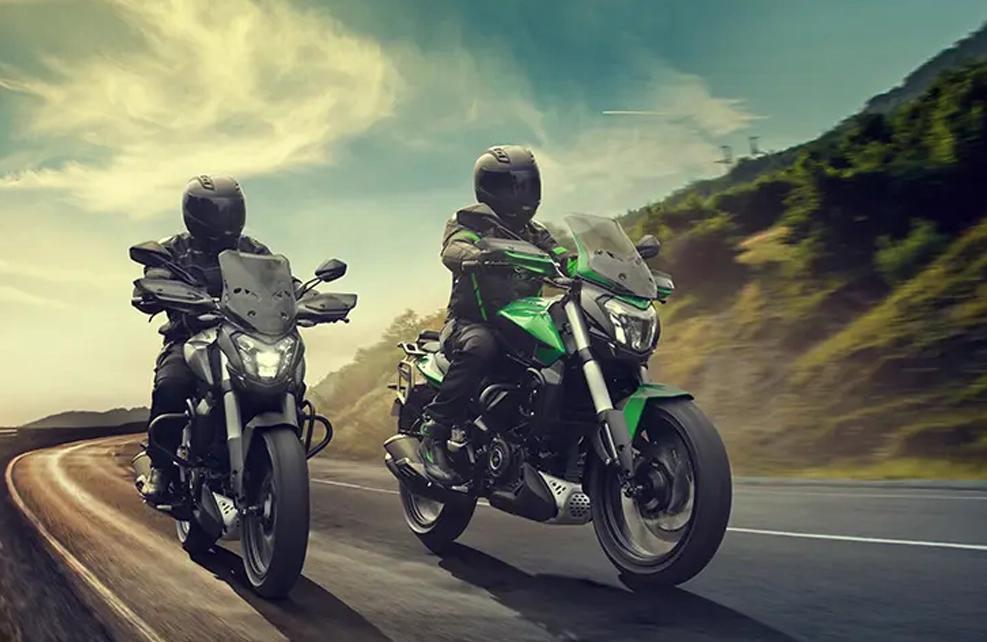
The Dominar excels as a long-distance companion. Seat ergonomics are comfortable for rider and passenger; the geometry prevents sliding on extended climbs and the footpeg placement allows for a natural knee bend. On our two-day test (400+ km total with luggage) fatigue levels were low compared to many rivals in this segment. The windscreen provides usable deflection; for taller riders a slightly taller screen may be preferable, but the standard one keeps rider shoulders relatively sheltered.
Storage considerations are average — mounting options for panniers and racks are straightforward and manufacturers/aftermarket vendors already offer dedicated luggage solutions. Fuel economy during our mixed ride averaged in the mid-30s kmpl; combined with the ~13 L tank this is good for 350–420 km between fills depending on riding style.
Electronics & safety
Bajaj’s electronics package for 2025 is practical and developer-friendly. The TFT cluster offers smartphone pairing (turn-by-turn and basic notifications), configurable ride modes that mildly alter throttle response and a two-stage ABS system that can be switched off only in specific conditions (market dependent). Traction control is conservative by default — tuned to cut in early which helps less experienced riders maintain control on slick surfaces.
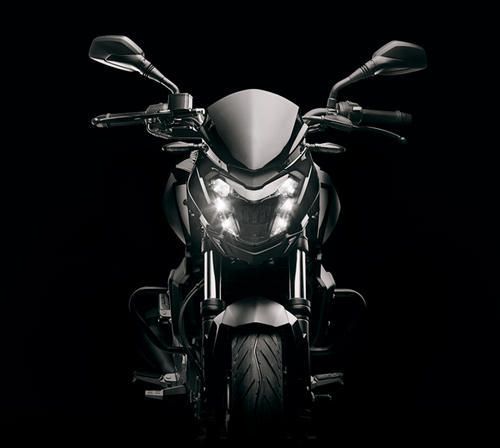
Brake feel is progressive with good initial bite; the ABS calibration is unobtrusive and engaged only when necessary. Lighting has been upgraded to a fuller LED spread for both low and high beam which improves night visibility substantially. For riders wanting more control the platform supports easy installation of adjustable levers, steering dampers and aftermarket electronic accessories.
- Torquey mid-range engine with usable power
- Touring-friendly ergonomics and comfort
- Modern electronics and improved fit-and-finish
- Good real-world fuel economy for long rides
- Improved thermal management vs older models
- Suspension may feel soft for aggressive riders — aftermarket tuning recommended
- Weight is noticeable at very low speeds and while parking
- Limited factory luggage — relies on aftermarket for full touring setup
Real-world ownership notes
Maintenance intervals are reasonable and service costs remain competitive in the segment. Parts availability in major cities is good, and Bajaj’s dealer network is extensive which helps with warranty and consumable parts. Resale values are stable for this model class, especially in markets where single-cylinder tourers are popular.
Customization options are increasing — expect exhausts, touring racks, and refined suspension kits from aftermarket brands in the months following the model’s release.
Ride notes
- Throttle: Smooth and progressive with strong mid-range punch; refined 2025 mapping reduces jerky transitions at very low rpm.
- Brakes: Good initial bite and predictable ABS intervention; with quality pads the stopping distances are very competitive.
- Gearbox: Crisp 6-speed unit, light clutch pull — highway upshifts are effortless.
- Comfort: Seat geometry and ride posture are ideal for two-up touring and long stints.
- Fuel economy: Mid-30s kmpl in mixed riding; aggressive riders should expect low-30s.
If you want I can turn the slider into a thumbnail-driven gallery (click thumbnail to jump to that image) or connect it to WordPress gallery blocks so images are populated from the media library automatically. I didn’t change anything else.
Specifications — Dominar 400 (2025)
| Engine | Single-cylinder, liquid-cooled, DOHC |
|---|---|
| Displacement | ~373.3 cc (manufacturer claimed) |
| Power | ~40 PS @ 8,000 rpm (approx.) |
| Torque | ~37 Nm @ 6,500 rpm (approx.) |
| Transmission | 6-speed |
| Frame | Perimeter / split-trellis (stiff & balanced) |
| Suspension (F/R) | Telescopic forks / Mono-shock (preload adjustable) |
| Brakes | Disc / Disc with ABS (market dependent) |
| Fuel capacity | ~13 L |
| Kerb weight | ~187 kg (approx.) |
| Seat height | ~800 mm |
| Top speed (approx.) | ~140 km/h |
| Price | See local dealer / market dependent |