

Himalayan Ownership — Tips for Long Rides
Practical advice for Himalayan long-distance ownership: pre-ride checks, luggage, service, suspension, tyres, spares, high-altitude tips and a printable checklist.
Himalayan Ownership — Long-Ride Essentials
Why the Himalayan is a long-ride favourite
The Royal Enfield Himalayan’s simple, torque-rich motor, upright ergonomics and long-travel suspension make it uniquely suited to mixed-surface touring. Unlike high-strung sport machines, the Himalayan favours rider comfort and mechanical simplicity — an advantage when you ride far from dealer networks.
Owning one for long rides is about preparation: a few smart mods, sensible spares, and the right riding technique will transform weekend trips into multi-day adventures without drama.

Pre-ride checklist (do this before every long day)
- Tires & pressures: check for even wear and sidewall damage. Set pressures for load & terrain — 32–36 psi front / 34–38 psi rear for on-road two-up; drop 4–6 psi for rough surfaces, but avoid underinflation.
- Brakes: lever feel, pad thickness, and fluid condition. Replace pads showing under 2–3 mm of friction material before long tours.
- Chain & sprockets: adjust slack to manufacturer spec; lubricate with a good chain lube (avoid over-slinging in wet conditions).
- Oil & coolant: inspect levels; top up if needed. For cold starts at altitude, ensure oil viscosity works well across the expected temperatures.
- Fasteners & mounts: inspect luggage mounts, crashguard bolts, skidplate bolts, and handlebar clamps for looseness.
- Electricals: check battery health, connectors, lights, horn and charging system (multimeter voltage ~13.5–14.5V when running).
- Toolkit & spares: carry the basics — spare fuses, clutch cable, brake/clutch lever (or lever head), tyre repair kit, puncture sealant, spare bulbs, zip-ties and a multi-tool.

Suspension & load setup
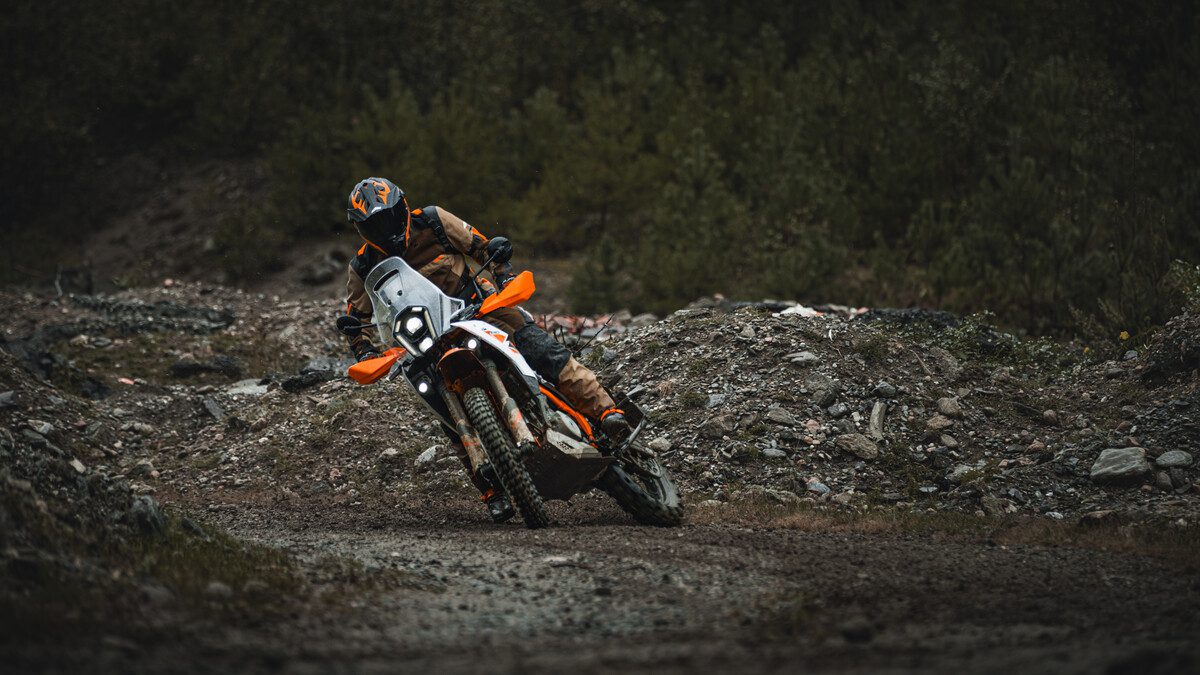
For long tours, set sag and preload to account for luggage and pillion. A softer rebound generally improves comfort on washboard and broken surfaces; increase preload to avoid bottoming when fully loaded. If you expect sustained off-road sections, increase compression damping slightly to resist frequent high-speed impacts.
Practical tip: measure static sag (with rider and kit) and adjust to manufacturer suggestions or ~30–35 mm front, ~30–35 mm rear as a starting point — refine by feel on the first test day.
Preload +3 clicks (rear) if carrying luggage; rebound medium; check after 50 km
Heavy off-road use or aggressive luggage + pillion — revalve springs/damping for improved control
Luggage, racks & mounting advice
Choose low-mounted panniers where possible to maintain a low centre of gravity. Top boxes and tall soft rolls can raise the centre of gravity and increase wind effect. Use strong, purpose-built racks and through-bolted mounts rather than quick-release hacks. Spread weight evenly — heavier items low and central, lighter items higher.
For long trips, use weatherproof drybags inside panniers and keep a small “day-bag” with essentials like documents, first-aid, and water for quick stops.
Tyres, repair & off-road handling
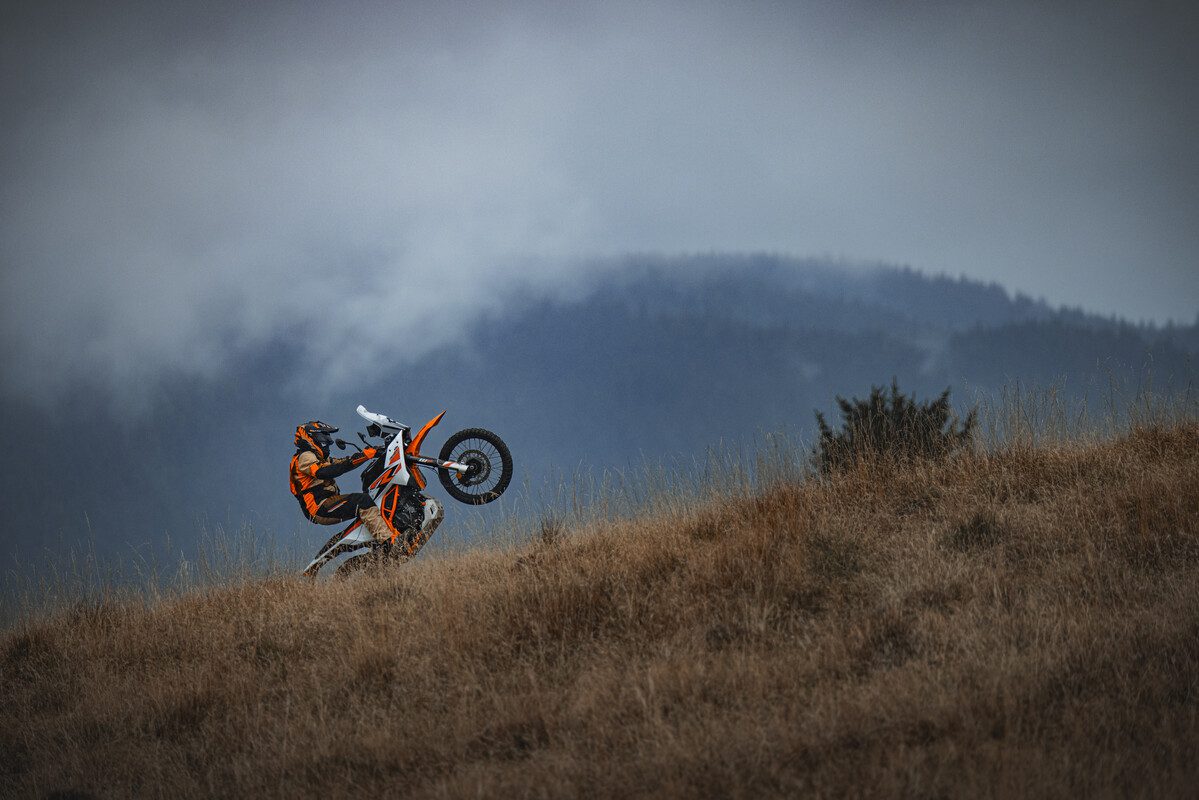
Select tyres to match your primary terrain: dual-sport tyres for mixed roads, more aggressive knobbies for heavy off-road. Carry a puncture repair kit plus a compact compressor or CO₂ inflator. Learn to patch a tube (if you have tubes) or plug tubeless tyres safely.
Technique tip: in gravel sections keep momentum and choose a line with smooth transitions; in deep rutted mud, lighten the front and keep steady throttle to avoid digging in.
Route planning & high-altitude tips
Plan fuel stops conservatively — carry 3–5 litres in emergency jerry cans for high-altitude or remote stretches. Factor in slower speeds, which increase fuel use. Check permit requirements for restricted areas and confirm fuel availability ahead of time.
At altitude, expect reduced power; tune riding style to lower revs and use momentum. Carbureted/engine-tune specifics vary by model — the Himalayan’s fuel injection helps, but keep air filters clean and replace spark plugs at recommended intervals when doing high-altitude runs.

Electricals & charging on the road
Fit a reliable USB power outlet and check the charging voltage before leaving. Installing a quality DC-DC regulator prevents overcharging and protects phones/GPS devices. Carry spare fuses, a replacement bulb for the headlamp and basic wiring connectors.
Battery care: a healthy battery is vital for cold starts and for powering accessories — check state of charge and replace aged batteries before long tours.

Toolkit & essential spares
Minimal long-ride spares & tools
- Compact multi-tool, adjustable spanner, pliers, screwdrivers
- Spare clutch & throttle cable (model-specific)
- Spare levers (or lever heads)
- Tube or tubeless puncture kit + tyre plugs, small compressor/CO₂ inflator
- Spare fuses, a few metres of wire, crimp connectors & zip ties
- Spare bulb for headlamp, spare air filter element (if available)
- Lightweight folding shovel and recovery strap for remote recovery
Printable checklist (quick)
- Tire pressures & treads — OK
- Oil, coolant, brake fluid — levels OK
- Chain slack & lube — OK
- Brake pad thickness — OK
- Toolkit & spares — packed
- Documents, permits, insurance — in day-bag
- Phone charger & powerbank — charged
Maintenance schedule & common issues
Follow the manufacturer’s service intervals, but increase inspection frequency on long tours — check chain, brake wear and coolant every 2–3 days of hard riding. Common Himalayan owner issues on long tours include chain wear, clutch cable stretch and electrical connector corrosion from water ingress.
Pro tip: carry dielectric grease and a small brush to keep connectors dry; check fork seals weekly if you’re in wet/muddy conditions.
Recommended accessories
- Skid plate / bash plate
- Crash guards (engine & tank)
- Pannier racks + low-mounted aluminium panniers
- Comfort seat or seat pad for long hours
- Quality LED auxiliary lights (align carefully to avoid dazzling)
- Rugged phone/GPS mount + power supply
- Centre stand (if not fitted) and sturdy side-stand puck
Pros & Cons of Himalayan ownership for long rides
Pros: forgiving ergonomics, simple mechanics, great low-end torque, good luggage potential and a forgiving suspension for rough roads.
Cons: not as fast or nimble as lighter adventure bikes; some owners report higher vibration at sustained high revs and the need for frequent maintenance checks on extended trips.
Final day-before checklist (printable)
- All fluids checked and topped up
- Tyres checked and pressures set for expected load
- Toolkit & spares packed and accessible
- Documents & permits photocopies in waterproof sleeve
- Phone powerbank & chargers charged
- Emergency contacts & insurance numbers saved offline
Tip: do a short 50–80 km shake-down with full luggage loaded to confirm setup and make small adjustments before committing to a long stage.