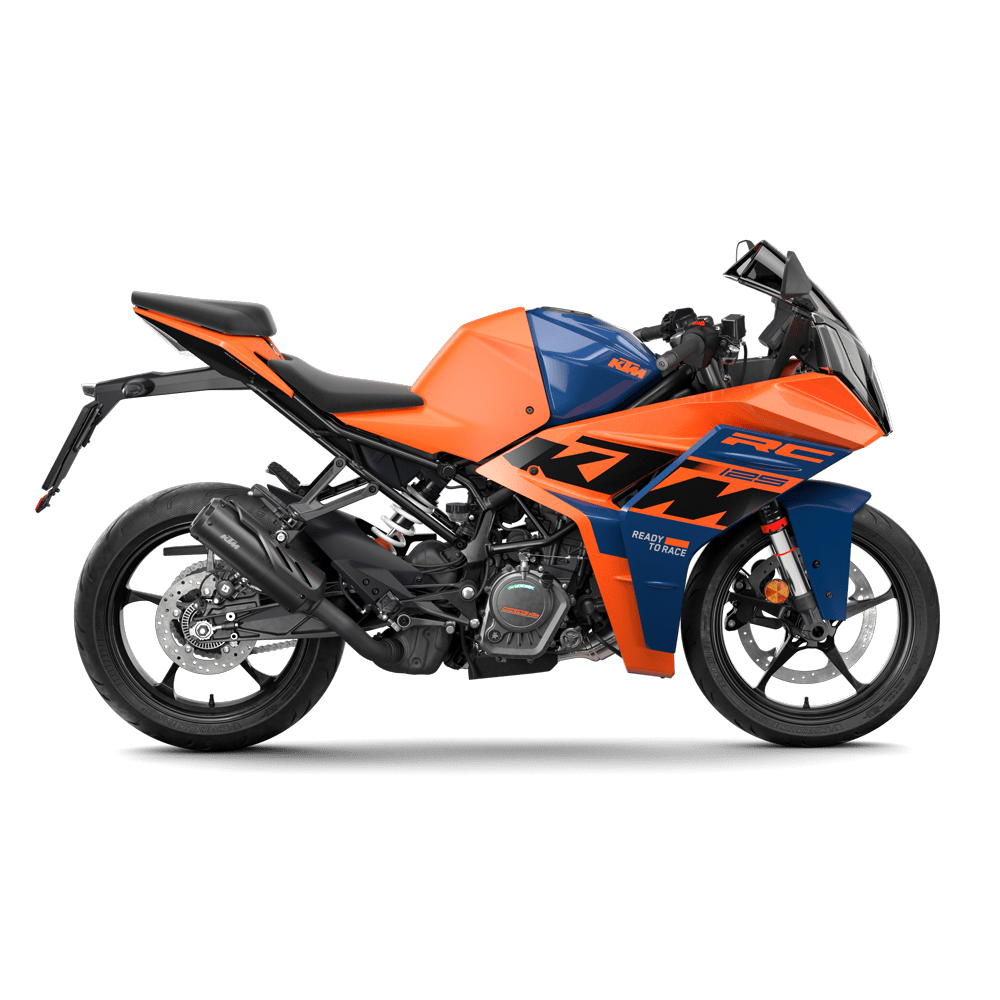
KTM RC 125 — RevSync Review
RC 125 packs Duke DNA into a race-styled chassis — sharp ergonomics, aggressive aero, and a peppy small-displacement engine that’s perfect for new sportbike riders and track-day rookies.
Jump to Full Specifications ↓First Impressions & Ride Summary
The RC 125 feels purposeful from the first twist — sporty ergonomics focus the rider over the chassis and the small-capacity engine is eager to rev. That race-inspired seating geometry communicates intent: short, sharp inputs reward quick direction changes.
On tight tracks or twisty roads, the RC 125’s compact size and quick steering make it a hoot. In the city it behaves well once you adapt to the lower riding posture — rewarding when ridden confidently, forgiving when you’re learning the lines.
Design & Ergonomics
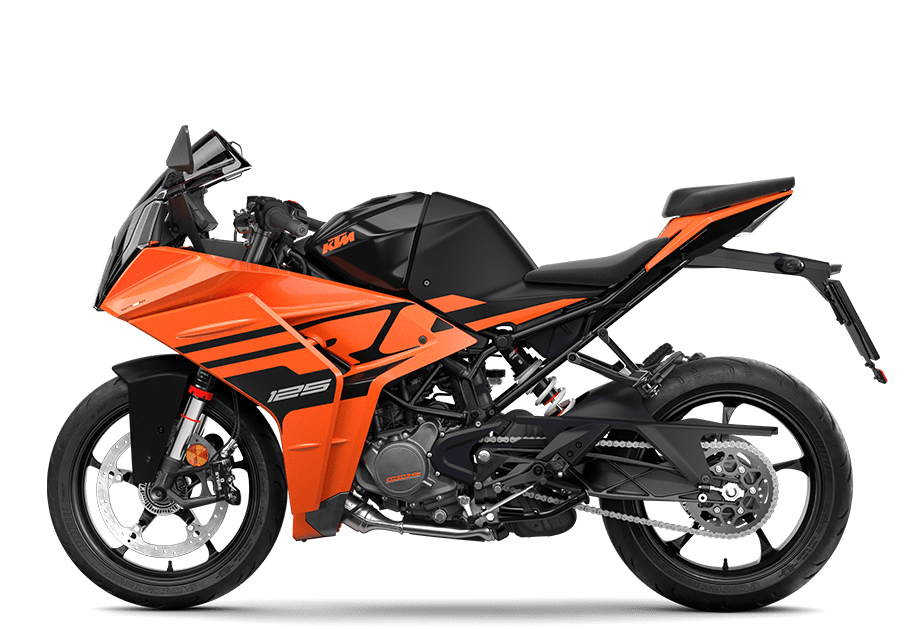
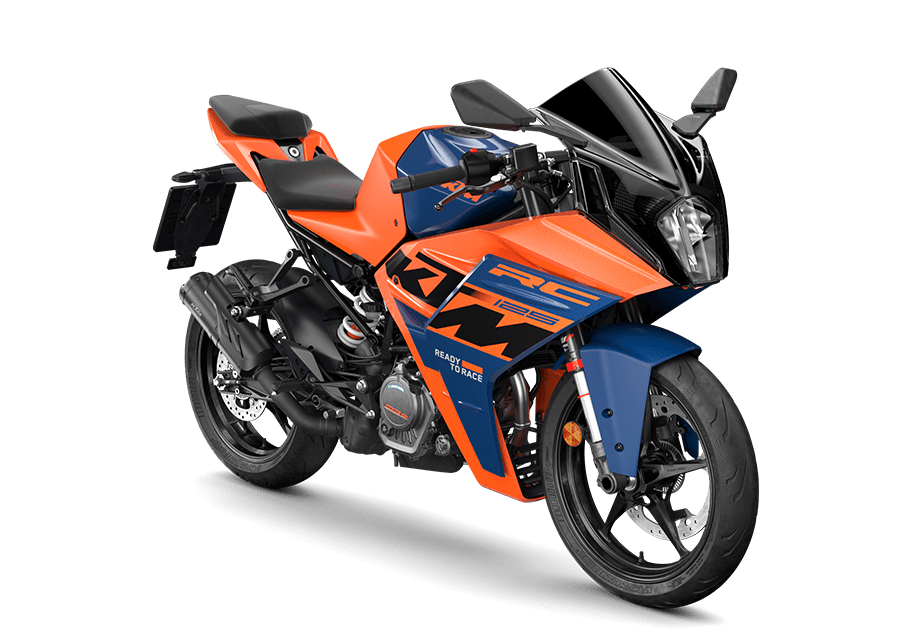
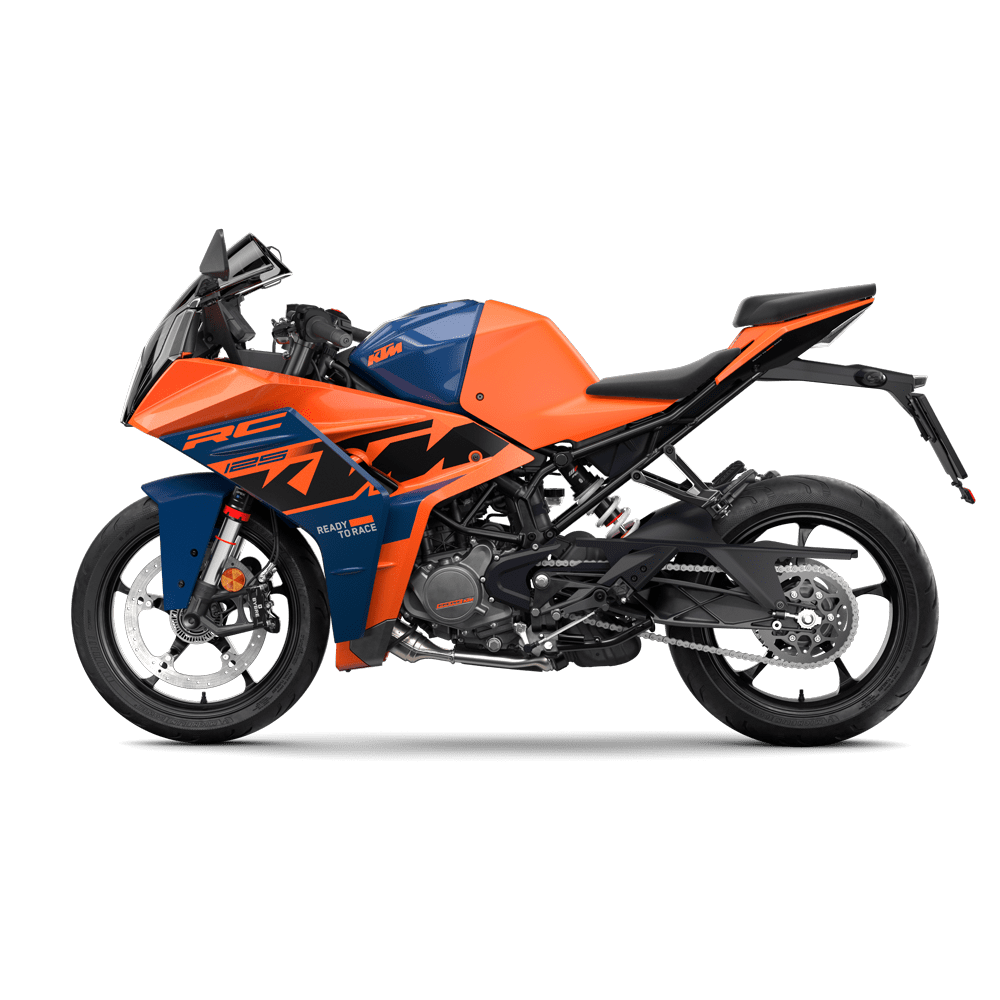
RC styling is all about intent: full fairing, twin-pod styling cues and aggressive tail sections create an unmistakable race-bike silhouette. The plastics, clip-ons and rear-set pegs emphasise a track-first stance.
Fit and finish punch above class with KTM’s typical attention to detail. While long rides will feel sportier than relative naked siblings, the RC 125 rewards with excellent rider feedback and premium-feeling hardware.
Compared with 125cc rivals, the RC 125 leans harder into track ergonomics — if you want a sporty training bike it’s near the top of the class; for commuter comfort a naked alternative may be kinder.
Engine & Performance
The 124.7 cc single is tuned for snappy response and track-like character — 14.5 PS and 12 Nm serve up eager acceleration in the rev-range, with a gearbox that lets you exploit close ratios for fun, controlled bursts of speed.
The RC 125 is more about momentum and corner exit speed than outright top-end velocity — that’s exactly what makes it feel fast on short circuits and twisty roads.
Peak power comes high in the rev-range, so keep the tacho moving — riders coming from bigger bikes may need a moment to learn the powerband.
Handling & Chassis
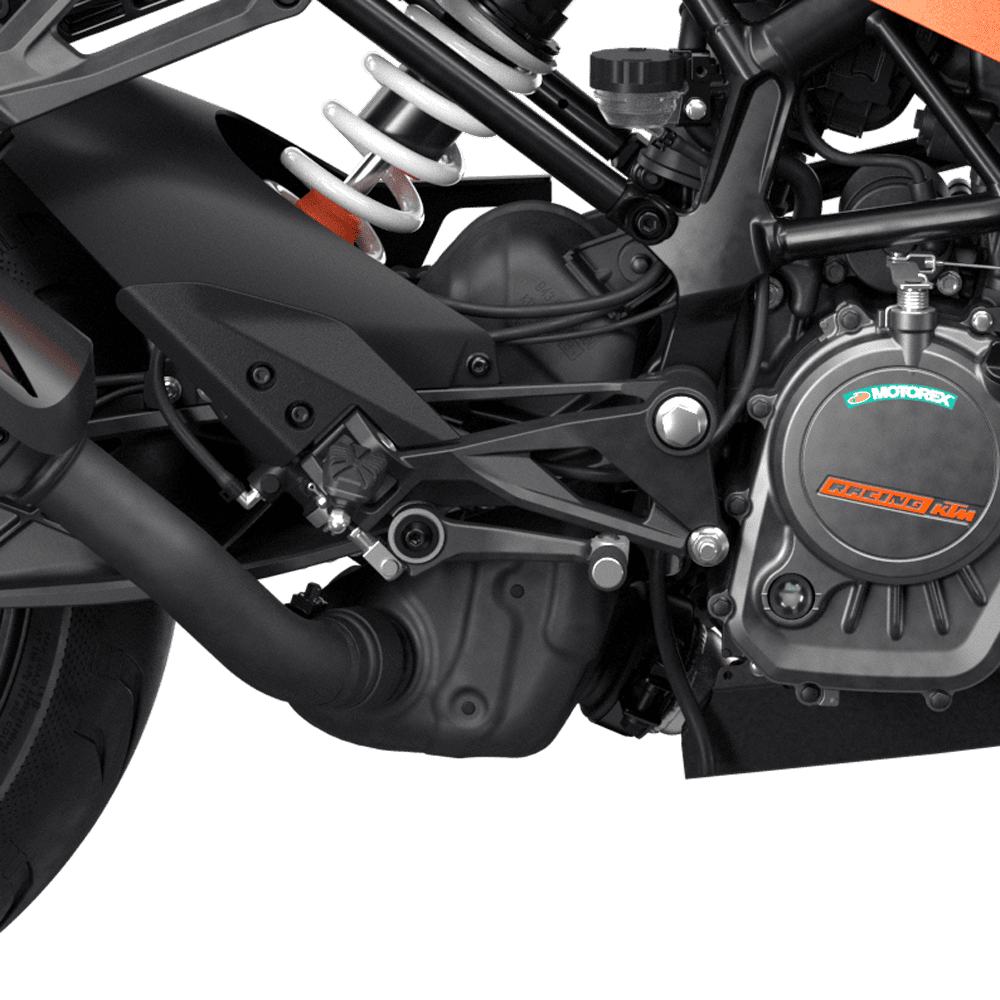
The RC 125 benefits from a compact chassis with focused suspension — it turns-in quickly, accelerates out of corners well and steers with precision. The weight bias and geometry are tuned for flickability rather than long-haul comfort.
Suspension is firm and communicative, great for learning lines and improving technique. For new track-day riders it’s a forgiving platform that teaches inputs cleanly.
WP APEX components punch above the category; adjust the rear preload and rebound to tune mid-corner feel for either track or rougher roads.
Braking
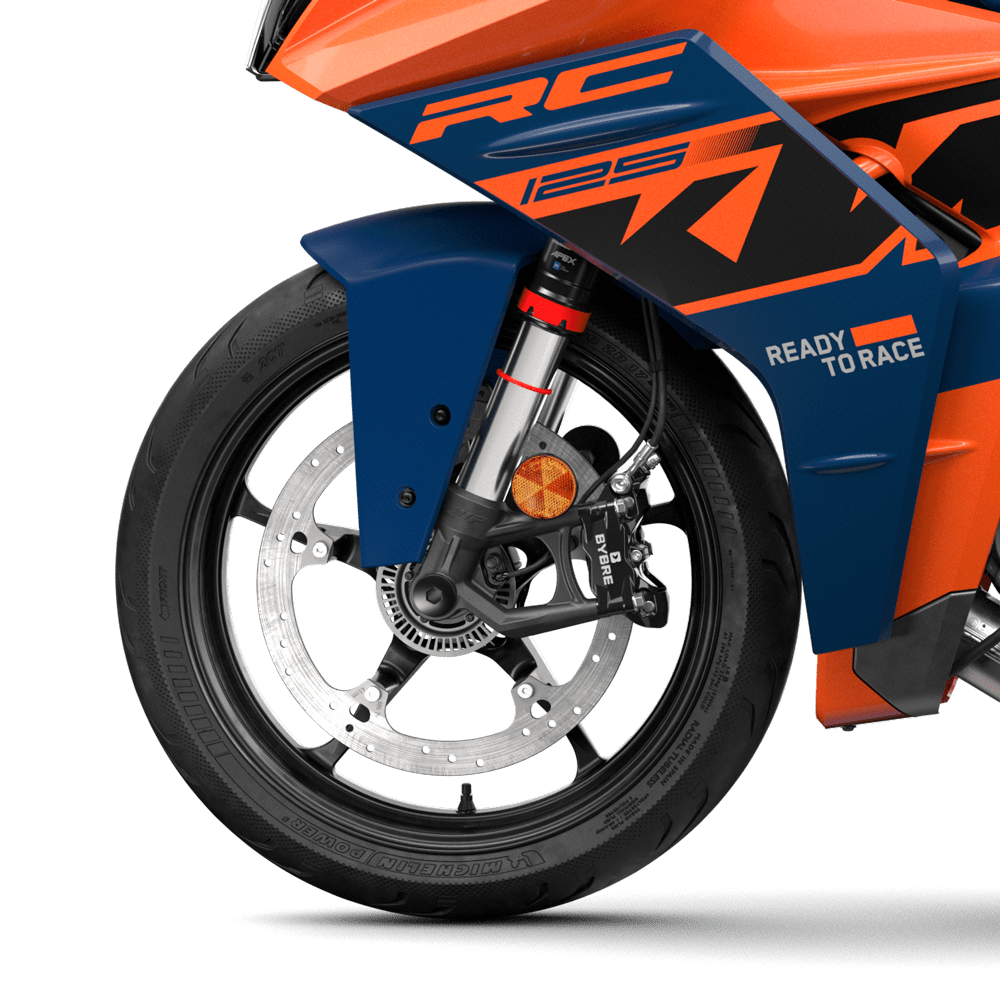
Strong stopping power is provided by a 320 mm front disc with a four-piston radial caliper and a 230 mm rear disc — the dual-channel Supermoto ABS delivers confident, progressive braking in most conditions.
ABS intervention is well-tuned for the class — unobtrusive on paved surfaces and safety-minded on lower-grip patches.
The four-piston front caliper gives excellent initial bite; pair with a firmer pad compound for track days to avoid fade under repeated heavy use.
City & Highway Compatibility
City: the RC 125 is nimble and compact, but the sporty position requires some acclimatisation for stop-and-go traffic. Once adapted, the bike is quick through tight sections and fun for short commutes.
Highway: the RC 125 is best at shorter, spirited runs — wind blast and rider fatigue limit long-distance comfort. Consider it a short-track rocket and urban toy rather than a touring machine.
With 13.7 L fuel capacity and a 41 kmpl claim, expect decent range for day trips but plan stops for longer runs — and add a small windscreen extension for sustained speeds.
Owner Experience & Community Opinion
Owners love the RC 125 for its race-ish feel and confidence-inspiring components. Feedback commonly praises handling, chassis feel and the bike’s look. Most suggestions revolve around adding touring-friendly tweaks for those wanting longer rides.
Common owner tweaks include tyre swaps for longer life, steering dampers for high-speed stability, and mild bar risers for improved daily comfort without ruining the fun.
RC 125 owners — share your tips on setup, tyre choices and small mods that make city life easier without killing the fun. Leave your comment.
Pros & Cons
- True race-inspired ergonomics and look
- Lightweight, flickable chassis
- Good component quality for class
- Sporty posture not ideal for long rides
- Limited wind protection
- Less practical for pillion comfort
Full Specifications
Engine & Transmission
| Engine Type | Single cylinder, 4-stroke, DOHC, liquid-cooled, fuel-injected (FI) |
|---|---|
| Displacement | 124.7 cc |
| Max Power | 14.5 PS @ 9250 rpm |
| Max Torque | 12 Nm @ 8000 rpm |
| Gearbox | 6-speed manual |
| Clutch | Wet multi-disc, mechanically actuated |
| Fuel Supply | Fuel Injection |
| Emission Standard | BS6 (BS6-2.0) |
Peak power arrives high — rev-happy riding rewards you. The 6-speed gearbox keeps the engine in its sweet spot for corner exits.
Chassis, Suspension & Dimensions
| Frame | Split-trellis tubular steel, powder coated |
|---|---|
| Front Suspension | WP APEX USD forks, 43 mm diameter |
| Rear Suspension | WP APEX Monoshock, 10-step adjustable |
| Suspension Travel (Front) | 120 mm |
| Suspension Travel (Rear) | 150 mm |
| Wheelbase | 1343 mm |
| Saddle Height | 824 mm |
| Kerb Weight | 160 kg |
| Ground Clearance | 158 mm |
| Fuel Tank Capacity | 13.7 litres |
Taller riders should note the 824 mm seat; the split-trellis frame and short wheelbase prioritise agility over long-haul stability.
Brakes & Wheels
| Front Brake | Disc, 320 mm diameter, four-piston radial calliper |
|---|---|
| Rear Brake | Disc, 230 mm diameter |
| ABS | Dual channel (Supermoto feature) |
| Wheels | Alloy, 17 inches (front and rear) |
| Tyre Type | Tubeless, Radial |
The ByBre-sourced hardware is strong for the class — dual-channel ABS is a confidence booster for spirited riders.
Electricals & Features
| Headlight | Halogen, with LED DRLs |
|---|---|
| Taillight | LED |
| Turn Signals | LED |
| Instrument Console | Digital (LCD Dash Display) |
| Additional Features | Adjustable windshield, split seat, gear position indicator, average speed and fuel consumption display, Supermoto ABS, new bolt-on subframe |
The dash is functional and uncluttered — useful readouts without distracting graphics. LED DRLs add modern presence despite a halogen main beam.
Performance & Mileage
| Top Speed | 120 km/h |
|---|---|
| Mileage (Overall, as reported) | 41 kmpl |
Real-world mileage will vary — spirited riding on twisty roads will drop efficiency; gentle commuting can push figures toward the claimed number.
Summary Table
| Parameter | Specification |
|---|---|
| Engine Type | Single-cylinder, liquid-cooled, FI |
| Displacement | 124.7 cc |
| Max Power | 14.5 PS @ 9250 rpm |
| Max Torque | 12 Nm @ 8000 rpm |
| Gearbox | 6-speed manual |
| Frame | Split-trellis tubular steel |
| Front/Rear Suspension | WP APEX USD / WP APEX Monoshock |
| Front/Rear Brakes | Disc (320/230 mm) |
| Saddle Height | 824 mm |
| Wheelbase | 1343 mm |
| Ground Clearance | 158 mm |
| Kerb Weight | 160 kg |
| Fuel Tank Capacity | 13.7 litres |
| Tyre Size | 17-inch (front and rear) |
| ABS | Dual-channel |
| Top Speed | 120 km/h |
| Mileage | 41 kmpl |
| Colours | KTM Orange / Race White (market dependent) |